Understanding Natural Foods for Men's Health
Educational content only. No promises of outcomes.
Explore the role of natural foods and their nutritional components in supporting an active lifestyle. This resource provides educational information about vegetables, fruits, whole grains, and other natural products.
Learn more about natural foodsIntroduction to Natural Foods
Natural foods are minimally processed products that retain their original nutritional value. These include fresh vegetables, fruits, whole grains, nuts, seeds, and lean proteins.
Understanding the composition and benefits of natural foods helps individuals make informed decisions about their daily nutrition. This knowledge is particularly relevant for men who maintain active lifestyles.
A balanced approach to consuming natural foods can contribute to overall wellbeing, energy levels, and physical performance. The key is variety and moderation in daily consumption patterns.

Nutritional Components Overview
Natural foods contain various nutritional components that serve different functions in the human body.
Macronutrients
Proteins, carbohydrates, and fats are the primary macronutrients found in natural foods. They provide energy and support various bodily functions.
Proteins are essential for muscle maintenance, carbohydrates provide energy, and healthy fats support hormone production and cell function.
Micronutrients
Vitamins and minerals are micronutrients that play crucial roles in metabolic processes, immune function, and cellular health.
Natural foods are rich sources of these essential micronutrients, offering them in forms that are easily absorbed by the body.
Phytonutrients
Plant-based foods contain phytonutrients, which are compounds that may contribute to health maintenance through their antioxidant properties.
These compounds are found in colorful vegetables and fruits, providing additional nutritional value beyond basic vitamins and minerals.

Vitamins and Minerals in Foods
Natural foods are primary sources of essential vitamins and minerals. Different food groups provide different nutritional profiles.
Leafy greens are rich in vitamins A, C, and K, as well as minerals like iron and calcium. Citrus fruits provide vitamin C, while nuts and seeds offer vitamin E and magnesium.
Whole grains contain B vitamins and minerals such as selenium and zinc. Fish and seafood provide vitamin D and omega-3 fatty acids.
Understanding these nutritional profiles helps in creating diverse and balanced meal plans that include various natural food sources.
Daily Consumption Patterns
Nutritional guidelines suggest incorporating a variety of natural foods throughout the day.
Breakfast Options
Morning meals can include whole grains like oatmeal, fresh fruits, nuts, and seeds. These provide sustained energy throughout the morning.
Eggs and dairy products offer high-quality protein, while vegetables add fiber and micronutrients to the first meal of the day.
Midday Meals
Lunch typically includes a combination of lean proteins, complex carbohydrates, and vegetables. This balance supports afternoon energy levels and productivity.
Whole grain bread, brown rice, or quinoa paired with fish, poultry, or legumes creates nutritionally complete meals.
Evening Nutrition
Dinner often features protein sources, vegetables, and moderate portions of carbohydrates. Evening meals should be satisfying yet not overly heavy.
Including a variety of colorful vegetables ensures a wide range of nutrients and fiber in the daily diet.
Food Categories and Examples
Natural foods can be organized into categories based on their origin and nutritional characteristics.
Vegetables
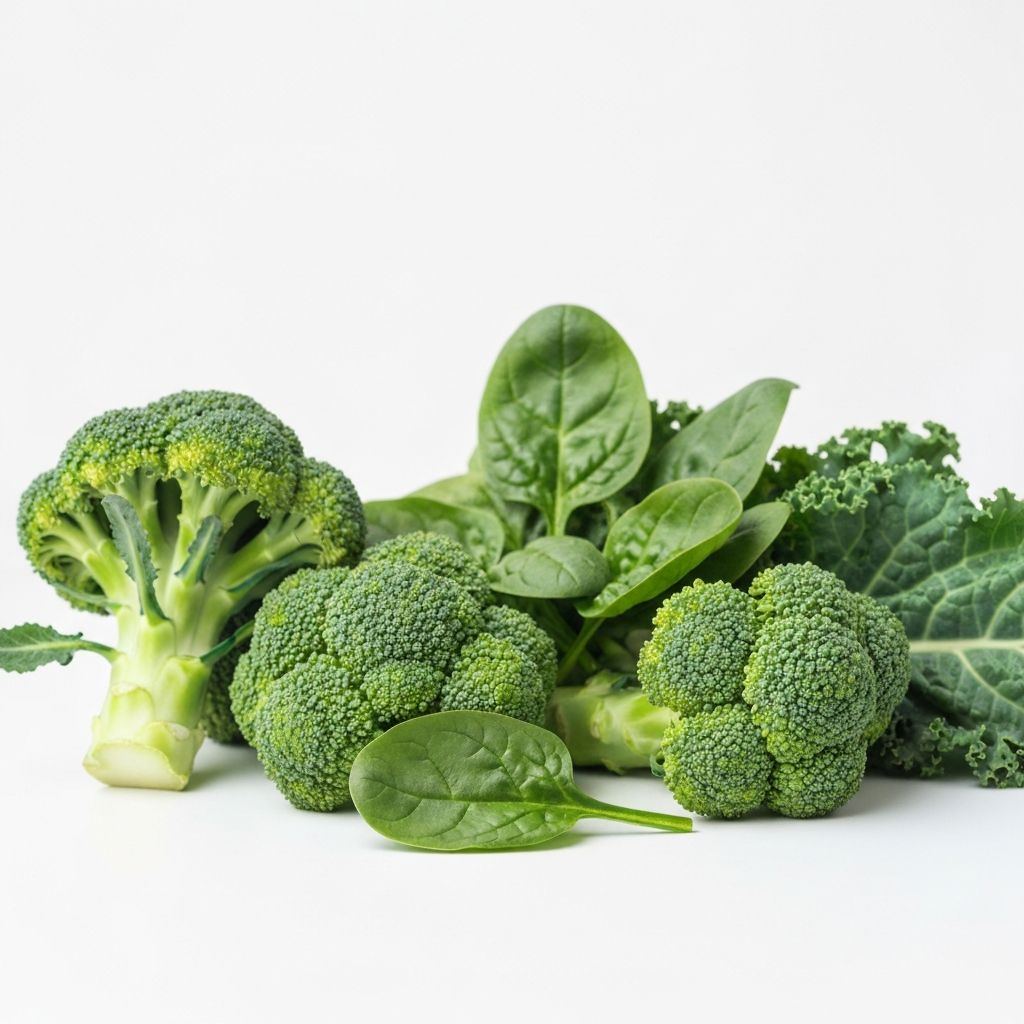
Vegetables include leafy greens, cruciferous vegetables, root vegetables, and nightshades. Each subgroup offers unique nutritional profiles.
Broccoli, spinach, carrots, and bell peppers are examples of nutrient-dense vegetables that can be incorporated into daily meals.

Fruits
Fruits provide natural sugars, fiber, vitamins, and antioxidants. They range from citrus fruits to berries, stone fruits, and tropical varieties.
Apples, oranges, berries, and bananas are commonly consumed fruits that offer different nutritional benefits and can be enjoyed fresh or incorporated into meals.

Whole Grains
Whole grains retain their bran, germ, and endosperm, providing fiber, B vitamins, and minerals. They are important sources of complex carbohydrates.
Oats, brown rice, quinoa, and whole wheat are examples of whole grains that support sustained energy and digestive health.
Featured Natural Products
Examples of natural food products that are commonly included in balanced diets.

Leafy Greens
Spinach, kale, and lettuce varieties are rich in vitamins A, C, and K, as well as folate and iron. They are low in calories and high in fiber.
These vegetables can be consumed raw in salads or cooked in various dishes, providing versatility in meal preparation.
Nuts and Seeds
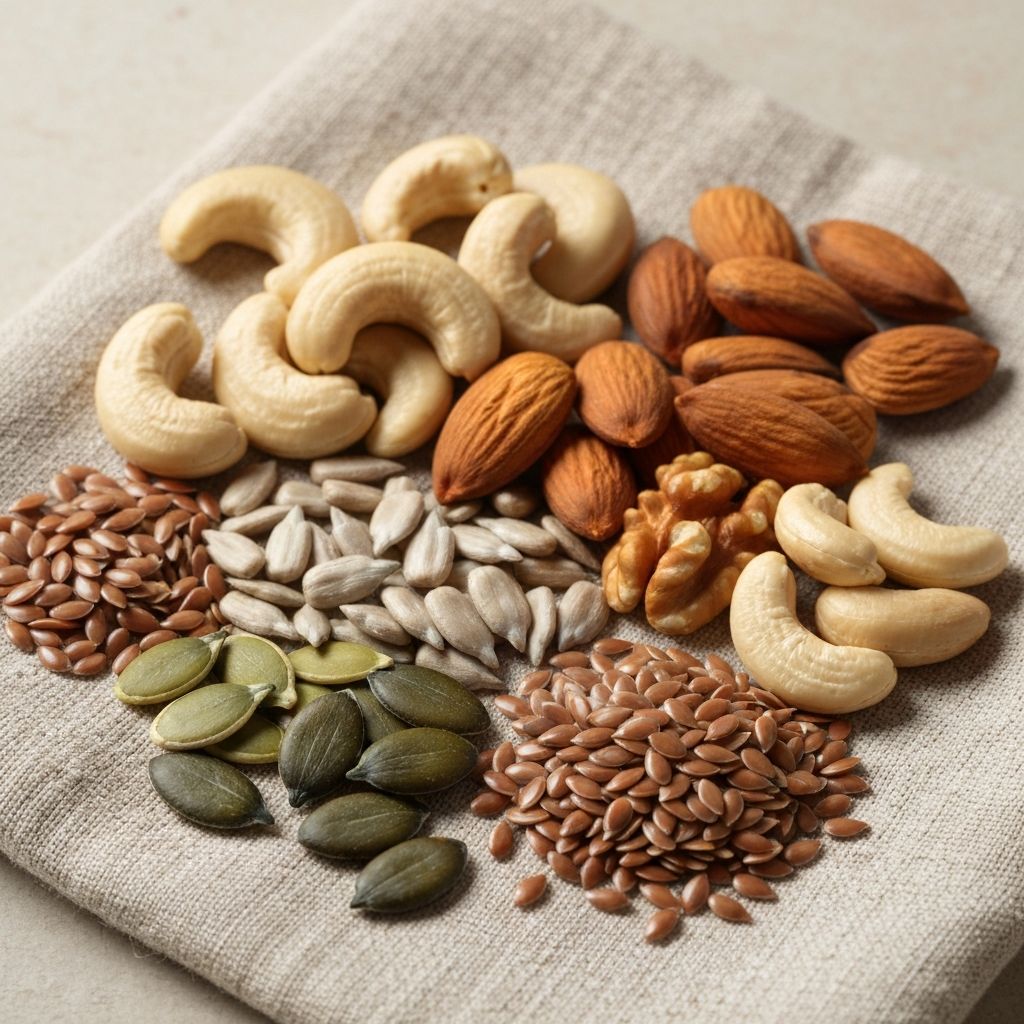
Almonds, walnuts, chia seeds, and flaxseeds provide healthy fats, protein, and fiber. They are nutrient-dense foods that support heart health.
Small portions of nuts and seeds can be added to meals or consumed as snacks, providing sustained energy and satisfaction.

Fish and Seafood
Salmon, tuna, sardines, and other fish are excellent sources of protein and omega-3 fatty acids. They support cardiovascular and cognitive health.
Including fish in the diet two to three times per week is a common recommendation in nutritional guidelines.
Lifestyle Considerations
Natural food consumption is one component of an overall healthy lifestyle.
Physical Activity
Regular physical activity complements healthy eating patterns. Exercise increases energy expenditure and may influence nutritional needs.
Active individuals may require different proportions of macronutrients compared to those with sedentary lifestyles. Understanding these differences helps in planning appropriate meals.
Hydration
Water is essential for all bodily functions. Adequate hydration supports digestion, nutrient transport, and temperature regulation.
Daily water intake recommendations vary based on activity level, climate, and individual factors. Natural foods with high water content also contribute to hydration.
Sleep Patterns
Quality sleep is important for recovery, hormone regulation, and overall health. Nutrition can influence sleep quality through various mechanisms.
Certain nutrients found in natural foods may support healthy sleep patterns, though individual responses vary.
Stress Management
Chronic stress can affect eating behaviors and nutritional status. Managing stress through various techniques supports overall wellbeing.
A balanced diet that includes natural foods provides nutrients that support the body's stress response systems.
Science-Backed Facts
Nutritional science has established several facts about natural foods and their role in human health.
Research indicates that diets rich in vegetables and fruits are associated with various health benefits. The fiber content in whole grains supports digestive health.
Omega-3 fatty acids found in fish have been studied extensively for their role in cardiovascular health. Antioxidants in colorful produce may help protect cells from oxidative stress.
The Mediterranean diet, which emphasizes natural foods, has been the subject of numerous studies exploring its relationship with longevity and health outcomes.
Current nutritional guidelines from health organizations worldwide emphasize the importance of consuming a variety of natural foods as the foundation of healthy eating patterns.

Common Misconceptions
Clarifying misunderstandings about natural foods and nutrition.
All Fats Are Unhealthy
This is a misconception. Healthy fats found in nuts, seeds, avocados, and fish are essential for hormone production, brain function, and nutrient absorption.
The type and quality of fats matter more than simply avoiding all fats. Natural sources of unsaturated fats are important components of balanced diets.
Carbohydrates Should Be Avoided
Complex carbohydrates from whole grains, vegetables, and fruits provide essential energy and nutrients. They are fundamentally different from refined sugars.
The body uses carbohydrates as its primary energy source, particularly during physical activity. The quality and source of carbohydrates are key considerations.
More Protein Is Always Better
While protein is important for muscle maintenance and various bodily functions, excessive intake does not automatically lead to better outcomes.
Balanced intake of proteins from various sources, combined with appropriate amounts of other macronutrients, supports overall nutrition goals.
Supplements Replace Whole Foods
Whole natural foods contain complex combinations of nutrients, fiber, and beneficial compounds that work synergistically.
While supplements may have specific uses, they generally do not replicate the complete nutritional profile and benefits of consuming whole natural foods.

Understanding Food Groups
Food groups are organizational categories that help in planning balanced meals. Each group contributes different nutrients to the overall diet.
The main food groups include vegetables, fruits, grains, proteins, and dairy. Nutritional guidelines suggest consuming foods from all groups in appropriate proportions.
Variety within each food group is important, as different foods provide different nutrient profiles. For example, different colored vegetables offer different vitamins and phytonutrients.
Understanding food groups helps individuals create meal plans that meet their nutritional needs while enjoying diverse and satisfying foods.
Limitations and Context
This resource provides general educational information about natural foods and nutrition. It is not intended as personalized advice or recommendations for specific individuals. Everyone has unique nutritional needs based on their health status, activity level, and personal circumstances. For personalized guidance, consult qualified healthcare or nutrition professionals. The information presented here represents general knowledge and does not constitute professional advice, medical guidance, or recommendations for specific actions.
Continue Learning
Explore more about natural foods and their role in daily nutrition.
Read more about our mission Learn more about natural foodsAdditional Resources
Expanding your knowledge about nutrition and natural foods can help you make more informed decisions about daily food choices.
Reputable sources of nutritional information include government health departments, registered dietitian associations, and peer-reviewed scientific journals.
Understanding how to read and interpret nutritional labels on packaged foods helps in selecting products that align with health goals.
Continuing education about food preparation methods, seasonal produce availability, and sustainable food choices contributes to a more comprehensive understanding of nutrition.